Category: General
-
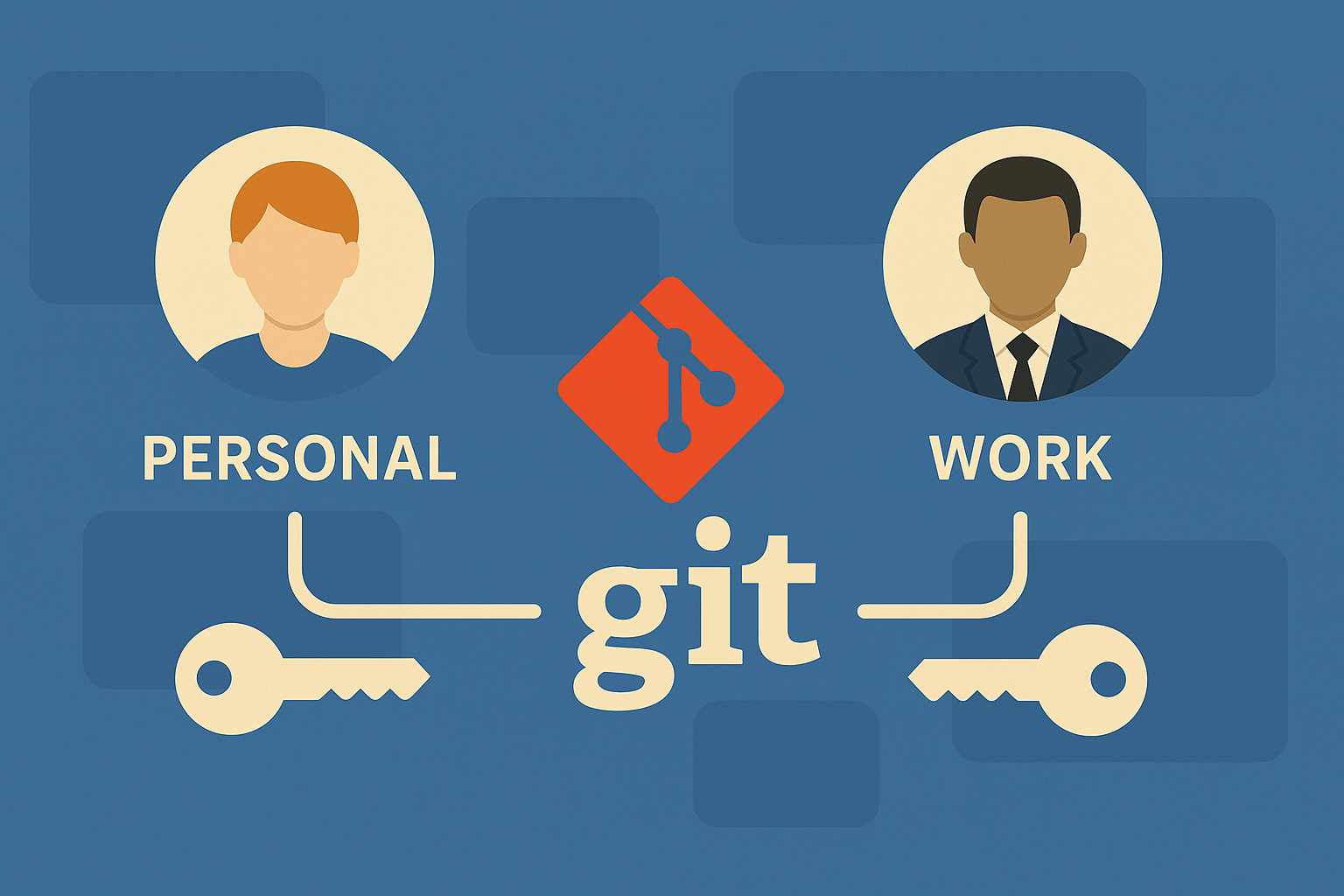
Managing Home and Work GitHub Accounts from the Same Machine
If you contribute to both personal and professional projects, you’ve likely run into the frustrating situation where Git doesn’t know which identity or SSH key to use. Fortunately, due to the power of ssh and git, with a few config tweaks, you can cleanly separate your personal and work GitHub identities and seamlessly switch between…
-

Productivity Pitfalls of Prolific Project Placements
If you work on projects, whether they’re client-facing or internal, chances are you’ve been allocated across multiple projects at once. This often leaves you feeling like you’re struggling to meet expectations on any of them. The impact on productivity is more significant than many of us expect. Let me explain why. Common wisdom suggests that…
-
Allow GitLab CI to use Docker Registry with Self Signed Certs
This is a follow-on to my last post about how to fix Docker errors when using self signed SSL certificates on your Docker Registry. When you are using GitLab-CI, to push or pull from your private Docker Registry with self signed SSL certs, and using the Docker-in-Docker Runner approach, you need to tell each created…
-
Solution for Docker Registry Error: certificate signed by unknown authority
If you are running a private Docker Registry, the Docker ecosystem makes it very difficult to run without SSL in place. Even thought the out-of-the-box Docker Registry container runs without SSL, over HTTP, many things won’t work properly, or at least easily, without installing SSL certificates. You can learn how to configure the registry server…
-
Office Hours – Redux
I am offering my knowledge and advice for free! I have decided to repeat an experiment I did back in 2013, and offer Office Hours. The idea is that if you’re interested, we can meet for coffee (if you’re in the Boulder, CO area) or setup a Zoom video call or a regular old phone…
-
GitHub to OmniFocus Integration
I’m thrilled to announce that I’ve written a GitHub to OmniFocus integration. Track your GitHub issues from OmniFocus automatically! This Ruby script is based on my Jira to OmniFocus integration, but uses the Octokit gem to pull issues from GitHub instead of Jira. You can find it on GitHub here: https://github.com/devondragon/github-omnifocus It is simple to install, and…